
Being locked in a cage the size of a small bathroom 20-plus hours a day sounds detestable. After years spent living in prison, this is not what bothers me the most. In fact, I hardly notice it. Cell bars and metal doors have slammed in my face thousands of times over the years. I’ve been told how to walk and where to walk; what to eat; what to wear; and at times, how to speak. But there is a chasm that worsens over the years, it is the void I feel being unable to raise my children.
Humans are amazing. We adapt to even the harshest conditions. Our survival abilities are just one bristle in nature’s paintbrush. During my time down, I’ve been beaten up, pepper-sprayed, and left in isolation control units for months, even years at a time. I’ve been forced to live with strange dudes (mentally unstable men) — subjected to inadequate healthcare. I have eaten food that can “take you out, before you make it out.” There are no healthier options. Violence, depression, and anxiety permeate my environment. Nonetheless, these adverse aspects of being behind bars affect me less as time passes — it’s “just another day in the joint.” This may seem odd to those who have no firsthand experience or knowledge of prison. For those of us behind these walls, this is the world we know.
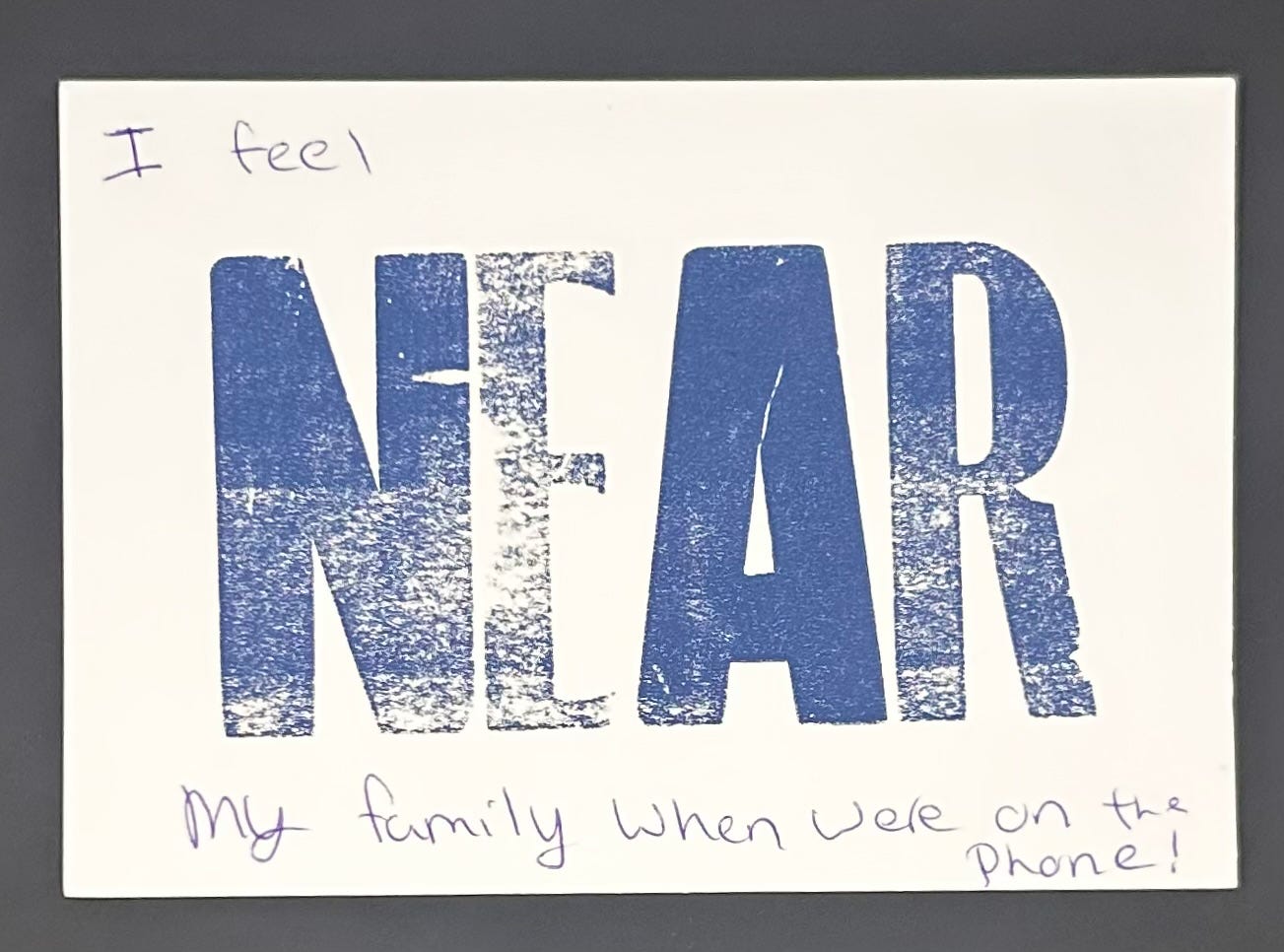
What impacts me daily is fathering through a phone line.
For parents, this fact transcends the stress of prison conditions: we know our children are out in society without fathers and mothers. Nearly half the people in state prisons are parents to children under 18. In the United States, there are as many children with a parent in prison as there are people in prison.*
As my daughters grow from babies to the young women, the chasm only widens, and the pain deepens. Phone call time limits (15-20 minutes) and scheduled time frames are completely inadequate to protect, nurture, educate, and apply one’s love as a parent. Visitations are almost non-existent; factors such as finances, travel time, and scheduling make it difficult for local families and nearly impossible for families that live in other towns, or states. Despite the “Interstate Corrections Compact,” I (and many others) have been involuntarily housed 2000 or more miles away from family and children for years (or decades.)
The pangs are intense in those moments when I call my daughter and she’s at a volleyball match, alone, without parental support. “Mom is working.” Or the last sixty seconds of a phone call when the system announces as much, I hear the noticeable change in her voice. There is an underlying sadness and confusion as to why we have to disconnect, and the jarring sound of the line going dead. This single puzzle piece of communication only temporarily and haphazardly puts into place the complete picture. The girls are left with the silence of the phone line and a renewed sadness accompanied by psychological pain.
At times, I sense the anger and hear about the rebellion against their mother (over and above the normal teenage occurrences) — one of the many byproducts of my imprisonment. There is little I can do about it. The phone conversations are inadequate. Letters are more intimate and reassuring, but I wonder, are they filed away in a shoe box, never to be read again?
Those last sixty second of the phone call burn more than all the pepper spray and bruises combined. I worry for my daughters’ safety and health, and lament that I’m not there to provide it. My desire to support their happiness and life success is more present than any anxiety caused by the violence and stress of prison. When a tear falls from one of my daughter’s eye, or I hear her voice crack in sadness, my entire week is disrupted until we reconnect.
This void is always present, either in a large or small way. Does the term “father” even fit? Parent, yes, biologically speaking. But what am I? What are we as incarcerated American parents? What can we do to father or mother from the inside? | CL
* The Bureau of Justice Statistics’ Survey of Prison Inmates did a survey in 2016 which was released in 2020 and published by the Prison Policy Initiative (https://www.prisonpolicy.org/blog/2022/08/11/parental_incarceration/ )