
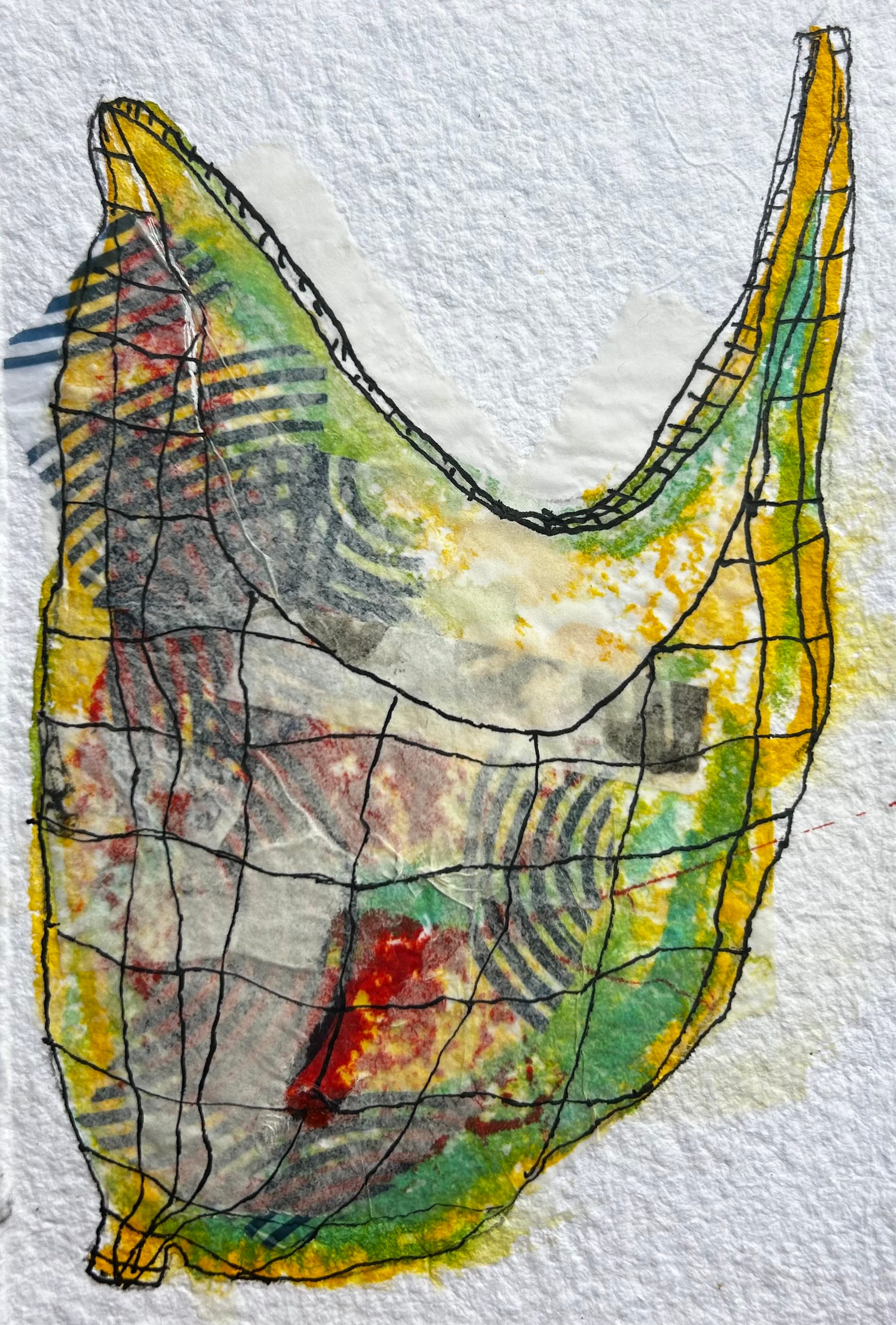
Amor fati — “The love of one’s fate” — is not a passive resignation but an active, even heroic, affirmation of existence. To love your fate is to recognize that your life is an indivisible whole, a tightly woven tapestry in which no thread can be removed without distorting the entire pattern. If you reject a single event, a single relationship, a single failure, you symbolically refuse the life that has been shaped through them.
This perspective implies a radical responsibility. You are asked to say “yes” not only to your triumphs, but also to your wounds, losses, and humiliations. The more threatening or painful the experience, the more profound the task of assimilating it into a meaningful narrative. In this sense, the stature of a person is measured by the breadth of reality they can affirm without denial, bitterness, or self-deception.
The metaphor of “the demon you can swallow” expresses this difficult alchemy. What you can face, name, and inwardly accept no longer tyrannizes you from the shadows; it is metabolized into strength, insight, and compassion. Every unmet fear becomes a hostile demon; every integrated fear becomes a source of power. Thus, psychic growth requires not avoidance of suffering, but its courageous digestion.
Amor fati therefore is a rigorous spiritual and psychological discipline. It does not claim that suffering is good in itself, but that it can be transfigured, when consciously embraced as part of one’s unique path. The greater life’s pain, the greater the possible depth of it reply: a wider intelligence, a more capacious heart, and a more unshakeable commitment to live your finite, fragile, irreplaceable life as a whole to which you can finally say, without remainder, “yes”. | AMM