
The first guitar I played was an old dreadnought-style acoustic with warped and rusty strings that had gathered so much dust in my parents’ shed that I had to scrap, scrub and scour it clean. It was a six-string guitar, with only five strings. I named it “Ol’ Dusty.”
I played until my callous-free fingers ached; the indentions left by the rust-ridden strings were smeared with a red tint. I was 14 and the only thing I wanted for Christmas was an electric guitar. My father, knowing how expensive a guitar was, said I had to “prove it” first. This was how I came to collect Ol’ Dusty from the shed.
So I played. I practiced. I trained my fingers for months. Then, on Christmas morning, I tore green and gold wrapping paper off a brand new royal blue Fender Stratocaster.
After that Christmas, I practiced sometimes eight hours a day. I trained until my fingers bled. And at night, when everyone was asleep, I laid in my bed with my unplugged Stratocaster across my lap and gently worked through pentatonic scales in the dark. The little twang of string was barely audible and the dripping kitchen faucet was my metronome.
I joined a band that year and music became a bridge that allowed me to overcome social anxiety. It gave me friends. It gave me identity. It gave me purpose.
After graduation, I moved to Eugene to attend college. It was there — as an 18-year-old, slightly awkward music major — that I met my wife. She was a pianist and a vocalist. Music bonded us for a time.
There was a period after our son was born, after the divorce, under the weight of two jobs and co-parenting, that life became messy. Suddenly, playing music became a childish pastime I could no longer afford. I mounted my guitars on the walls of my living room, highbenough that my son couldn’t reach them. They were relics now – a childproof decoration from a childhood dream. I dusted them regularly.
Years later, when I went to prison, the first significant purchase I made was an acoustic guitar. I welcomed the wood tones that offset the concrete and cinder block walls. But in truth, it sat in the corner of my cell for many years and on occasions I found myself thinking how disappointed my father would be. I had spent a small fortune on something I never used.
Almost a decade passed before I picked up the guitar in earnest.
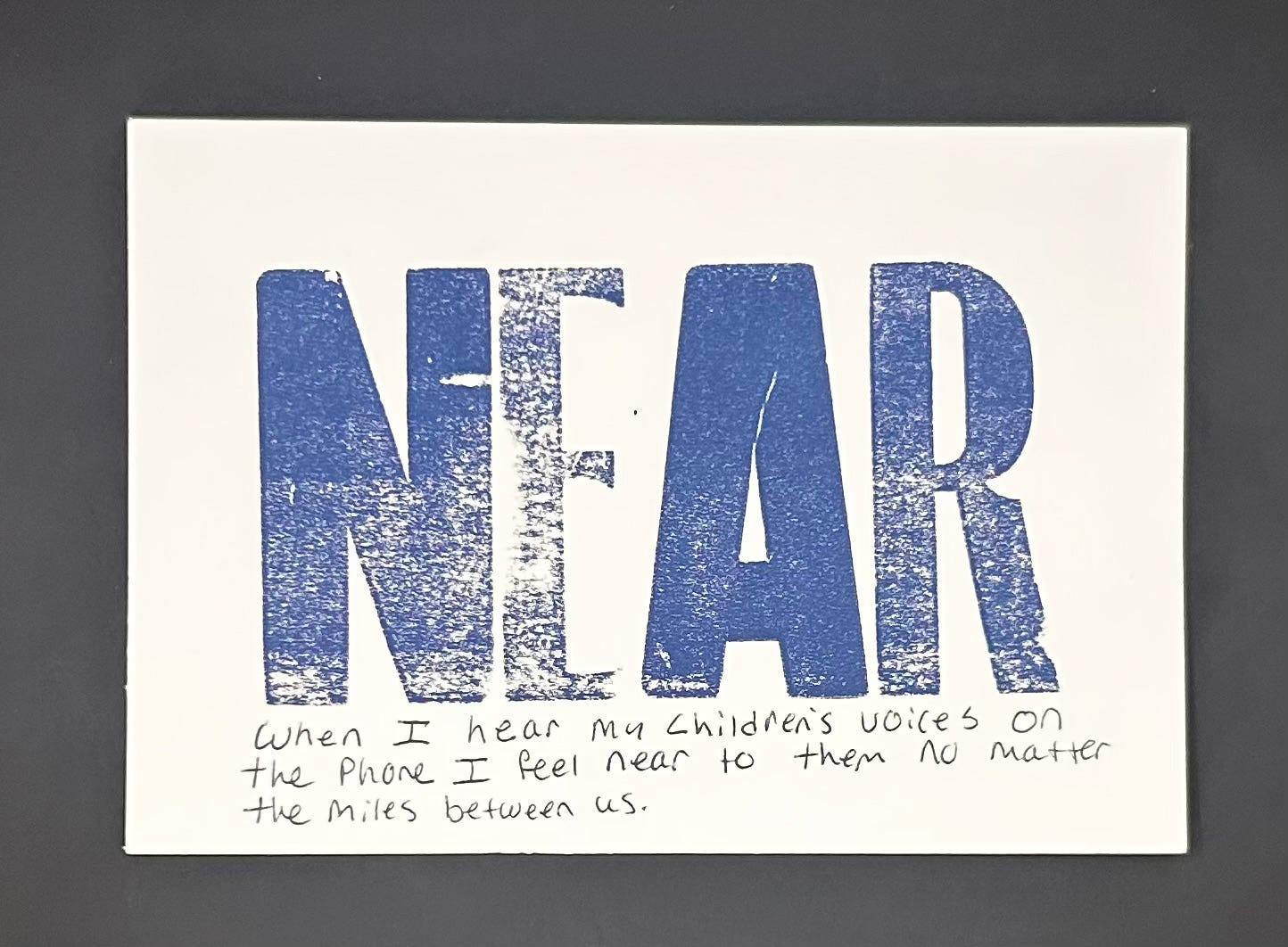
My son, barely a teenager then, wanted to learn. He played one of my old guitars that I had left behind. I bought him strings on his birthday. I wrote and mailed him tabs and riffs I’d made up.
Music became our desperate dance to stay connected when physical distance the confines of prison are the smallest hurdles to overcome. Although it is usually a topic of conversation for us, I still don’t play as often as I should. But I do reflect on how music has had many, and sometimes very different roles in my life. | PL